
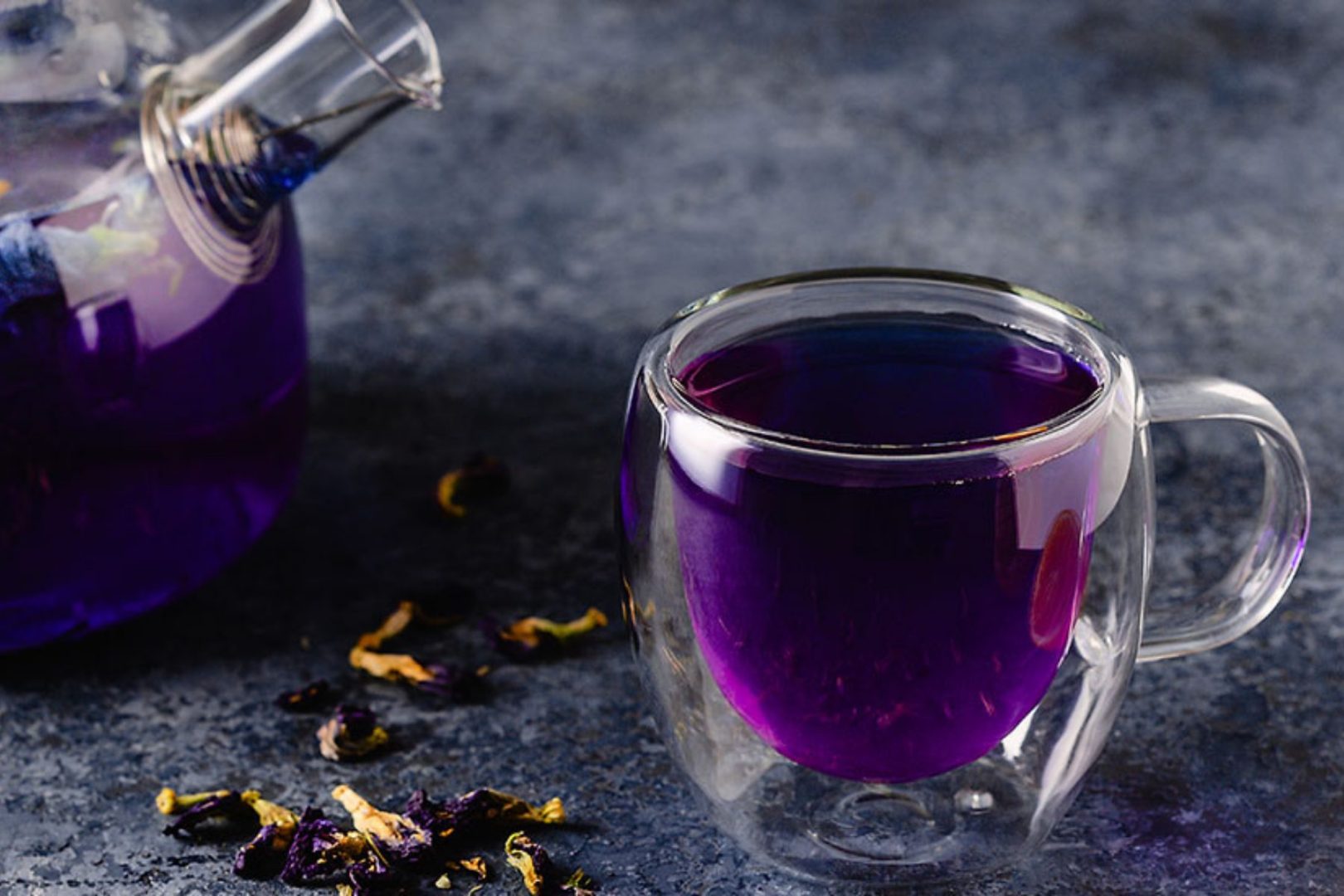

Kenya’s Purple Tea is a groundbreaking innovation — rich in anthocyanins, low in caffeine, and boasting a unique flavor profile. Discover why this superfood tea is capturing the attention of health-conscious consumers worldwide.
In the world of tea, innovation is rare. For centuries, the tea industry has relied on the same Camellia sinensis plant, varying only in processing methods. Kenya’s Purple Tea changes that narrative entirely.
The Science Behind Purple Tea
Purple Tea was developed by the Tea Research Foundation of Kenya (TRFK) through decades of selective breeding. The variety, known as TRFK 306/1, produces leaves with high concentrations of anthocyanins — the same pigments that give blueberries, acai berries, and red wine their health benefits.
Research shows that Purple Tea contains 1.5% anthocyanins by dry weight — significantly higher than most anthocyanin-rich foods. These powerful antioxidants have been linked to reduced oxidative stress, improved cardiovascular health, and anti-inflammatory properties.
Unique Flavor Profile
Purple Tea produces a distinctive reddish-purple liquor with a mild, slightly sweet flavor and a smooth finish. It has approximately 30% less caffeine than traditional black tea, making it suitable for consumers seeking a lighter, health-focused alternative.
The tea can be enjoyed hot or cold, and its natural sweetness means less sugar is needed. It pairs well with honey, citrus, and light snacks.
Market Opportunity
Purple Tea is gaining traction in health-conscious markets, particularly the US, Japan, South Korea, and Western Europe. At Summer Tea, we source Purple Tea directly from TRFK-accredited gardens in Kenya, ensuring authenticity and premium quality.
Processing Variations
Purple Tea can be processed as a black tea (full oxidation, stronger flavor), green tea (minimal oxidation, preserves more anthocyanins), or white tea (lightest processing, maximum health compounds). Each version offers a different flavor experience and health benefit profile.